


How to Crush It with Social Media Marketing for Restaurants
You know that moment when a customer takes a bite of your food and instantly reaches for their phone to snap a photo? That’s flattery and free advertising. Today, diners are as likely to discover your restaurant on Instagram or TikTok as they are to walk past your front door. And with competition heating up in every city, social media marketing for restaurants has become less of a “nice-to-have” and more of a necessity.
The good news? Social media levels the playing field. Even if you’re a small neighborhood spot, the right mix of creativity, strategy, and personality can put you in front of thousands of potential diners in your area. The secret is posting photos of your food but also taking the time to connect with people, telling your story, and building a digital presence that feels as welcoming as your dining room.
Why Social Media Matters More Than Ever
When people choose where to eat, they’re not flipping through phone books anymore. They’re swiping through Instagram feeds, searching Google, or watching short-form videos to see what catches their eye. In fact, most diners check a restaurant online before ever making a reservation or order. If your digital footprint is weak, your competition is already eating into your business.
That’s where online marketing for restaurants makes all the difference. A polished website tells customers what you serve, but social media shows them why they should care. It puts a face to your business, highlights your atmosphere, and gives customers a taste of the experience before they even sit down.
Done right, social media is more than advertising. It’s storytelling. It’s a conversation. And it’s the easiest way to build loyalty in an industry where repeat business is everything.
Choosing the Right Platforms for Your Restaurant
One of the most common mistakes restaurateurs make is trying to be everywhere at once. Not every platform suits every restaurant, and spreading yourself too thin usually means doing nothing well. Instead, focus your energy on where your diners actually spend their time.
-
Instagram: Still the strongest visual platform for restaurants. Food photography, Stories, and Reels give you endless ways to showcase your dishes and atmosphere. Instagram ads for restaurants let you target local audiences who are actively looking for dining options.
-
TikTok: The fastest-growing platform, especially for younger diners. Here, polished images matter less than personality and creativity. TikTok marketing for restaurants is about short, fun videos, your chef cooking, staff goofing off, or customers reacting to their meals.
-
Facebook: Not as trendy as it once was, but still powerful for community-focused restaurants. It’s where people look for event updates, reviews, and promotions. Its ad platform is also one of the most advanced, making it ideal for retargeting campaigns.
-
Pinterest: A secret catch for certain restaurants, especially those with highly visual or recipe-driven dishes. Boards organized by meal type can funnel curious browsers directly to your menu.
The trick is to start small. Pick one or two platforms that align best with your audience and master them before expanding.
Building a Digital Marketing Strategy That Works
A lot of restaurant owners jump into social media without a plan. They post when they remember, throw up a picture of the daily special, and hope people will show up. But just like your menu, your digital marketing strategy for restaurants needs intention and consistency.
Start by asking yourself some questions:
-
What’s your main goal: more reservations, takeout orders, event bookings, or catering?
-
Who are your customers, and what type of content would excite them?
-
How much time (or budget) can you realistically commit to creating and posting content each week?
Once you’ve got clarity, build a simple content calendar. Mix it up with:
-
Food photography that makes mouths water (NYIP).
-
Behind-the-scenes peeks of your kitchen or staff.
-
Customer spotlights, nothing builds trust like seeing happy diners.
-
Special promotions or seasonal menus.
-
A sprinkle of humor or personality to remind people you’re human, not just a business.
Consistency is everything. Posting once a month won’t cut it. Aim for a steady rhythm, say, three to five times per week, and keep engaging with comments, shares, and DMs.
Turning Ads into Actual Customers
Organic posts are great for building community, but paid ads take you further. The best restaurant marketing strategies use both. Social platforms make it easy to target your exact audience, whether that’s locals within a few miles of your restaurant, foodies who follow certain hashtags, or past customers who’ve already visited your website.
A few smart ways to use ads:
-
Run Instagram ads highlighting a new menu item or seasonal special (Instagram).
-
Use Facebook retargeting to reach people who looked at your menu but didn’t book.
-
Try geo-targeted campaigns around mealtimes, so when someone nearby searches for “best lunch near me,” you’re right there.
The beauty of paid advertising is how flexible it is. You can start with as little as $10–$20 a day, test different creatives, and double down on what works.
Video: Your Not-So-Secret Weapon
The restaurant industry is inherently visual, and nothing captures attention like video. You don’t need a Hollywood budget, just a smartphone and a little creativity.
Short clips can feature:
-
A dish being plated from start to finish.
-
A behind-the-scenes look at prep in the kitchen.
-
Customers reacting to their food (with permission).
-
Quick staff introductions to put faces to the brand.
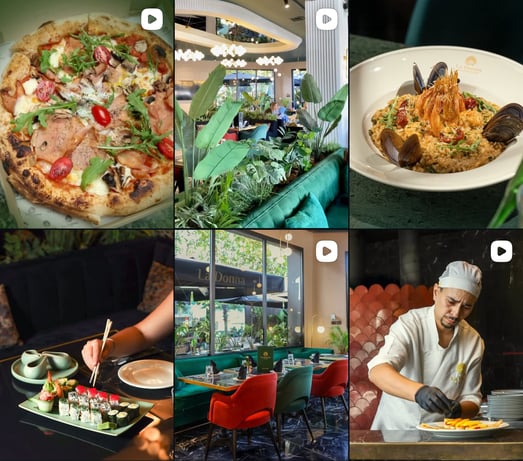 A moment in the kitchen that shows exactly why short clips work — real craft, real focus, and the story behind every dish.
The key is to keep it real. Today’s diners prefer authenticity over perfection. A slightly shaky but fun TikTok of your bartender mixing a signature cocktail can perform better than a heavily produced commercial.
And don’t forget YouTube Shorts and even Google’s push toward video content. The more platforms you can use video on, the better.
Keeping Up with Restaurant Industry Trends
Social media moves fast, but certain restaurant industry trends are worth paying attention to. Right now, diners want transparency, community, and convenience. That means showcasing not just your food, but also your values, whether it’s sustainability, sourcing local ingredients, or supporting community events.
It also means leaning into user-generated content. Encourage customers to tag your restaurant in their posts, then share those moments on your own feed. Not only does this build credibility, but it also turns customers into advocates.
Retargeting: Don’t Let Diners Slip Away
Here’s the truth: not everyone who checks out your menu online will book a table immediately. That’s where retargeting comes in. Using simple tracking tools, you can serve ads to people who visited your site, glanced at your menu, or interacted with your posts.
Think of it like a gentle reminder:
-
“Still craving that pizza you looked at? Here’s 10% off tonight.”
-
“Weekend plans? We’ve got a table waiting.”
This keeps your restaurant top-of-mind and nudges people from browsing to booking.
Pulling It All Together
At its core, marketing a restaurant with social media isn’t about chasing every trend or dumping money into ads. It’s about building relationships. When you treat your digital presence like an extension of your dining room, warm, engaging, and personal, customers feel it.
To recap, the best social media strategy for restaurants blends:
-
Consistent posting with a strong brand voice.
-
Smart use of platforms that fit your audience.
-
A balance of organic and paid content.
-
Video and storytelling that showcase your personality.
-
Ongoing testing and adapting to what works.
The Power of Social Media Marketing
“Social media is really just an extension of the table. The same care you put into plating a dish should be the care you put into how you show up online. It’s about presence, personality, and making people feel seen, even before they walk through the door," according to Nikita R, Director of Content Marketing at Gourmet Marketing.
Running a restaurant is hard work, and social media can feel like just another thing on your plate. But when you see it as the digital version of hospitality, it becomes less of a chore and more of an opportunity. Every post is a chance to invite someone in, every comment is a chance to connect, and every ad is a chance to turn interest into action.
The restaurants winning today aren’t just the ones with the best food. They’re the ones who make people feel part of something, online and off. And that’s the power of social media marketing for restaurants.
FAQ
1. How do I come up with content when I’m already stretched thin running the restaurant?
You don’t need complicated shoots — use what’s happening in your restaurant every day. A dish coming off the pass, your chef tasting a sauce, a server folding napkins, a guest reaction (with permission), a quick kitchen hack. Real beats perfect. Capture moments, not productions.
2. How often should I be posting to actually see results?
Ideally 3–5 times per week, but consistency matters more than volume. If you can commit to 3 solid posts weekly and regular engagement in comments and DMs, you’ll see more traction than posting 10 times one week and disappearing for two.
3. Do I really need to be on TikTok if my restaurant isn’t “trendy”?
If your diners are on TikTok, yes. But if your core audience is 35+, families, or locals who use Facebook/Instagram more, focus there first. It’s not about being everywhere — it’s about being where your people actually hang out.
4. Are paid ads worth it for small restaurants with small budgets?
Absolutely — if used smartly. Even $10–$20 a day can push your best posts to people within a few miles of your restaurant. Retargeting people who viewed your menu or website often delivers some of the best ROI because they're already interested.
5. What kind of content actually makes people book a table?
Food still leads, but it isn’t enough on its own. Diners want:
-
Short videos of dishes being made
-
Real staff moments
-
The vibe of the dining room
-
Story-driven posts (why a dish matters, what inspires your menu)
-
UGC: reposting customers’ photos (social proof is huge)
People don’t just book because the food looks good, they book because the experience feels good.